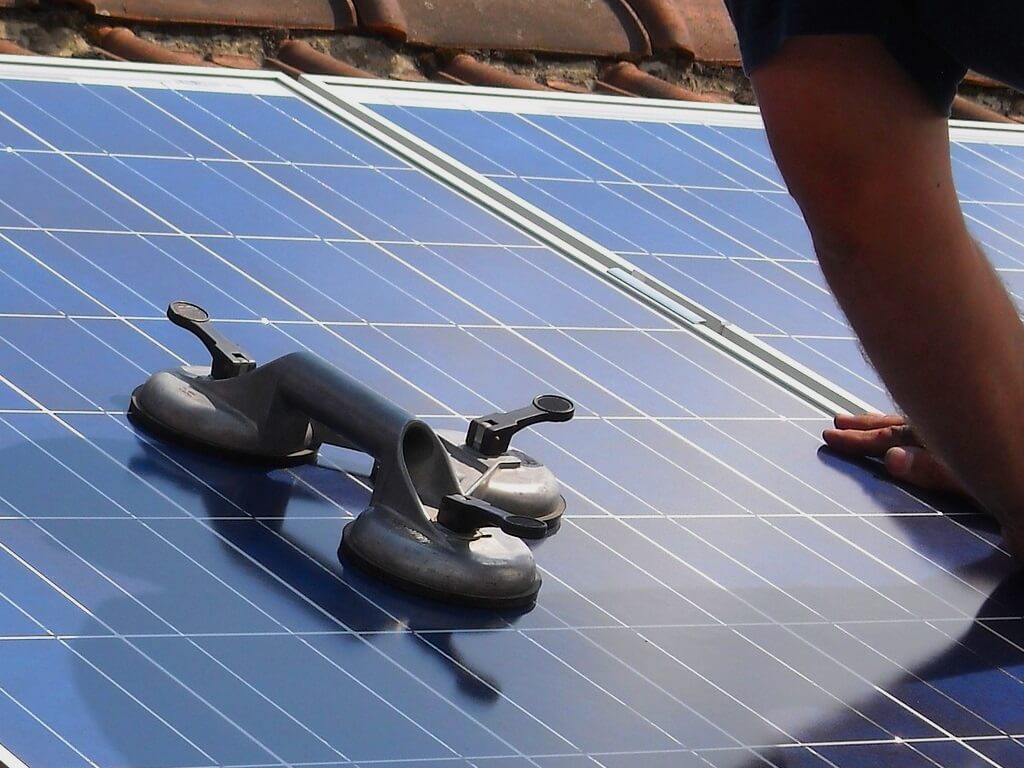
What Happens After You Install Solar
Installing solar feels like a breakthrough. But once the panels are up and working, what comes next?
Let’s talk about life after installation, from keeping things clean to making solar part of your routine.
First step: Know how your system works
You don’t need to go into tech detail, but it helps to know the basics.
Your solar setup has three main parts: the panels on the roof, an inverter (it changes the power into home electricity), and sometimes a battery (if you have one).
- Learn what each piece does
- Ask your installer to show you the inverter display, how many units it’s generating
This helps you keep an eye on whether your system is running properly
Keep it clean and working
Solar is low-maintenance, but dust and dirt can silently rob it of its power.
- Clean panels every 2-4 weeks with gentle water and a soft brush
- If your roof is dusty or you notice a dip in power, clean more often
Dirty panels can lose up to 5–10% of power output over time, research shows even small dust layers cut performance significantly
Keep an eye on how it performs
Making power from the sun isn’t a “set and forget” deal.
- Use the inverter or app to monitor daily and monthly energy generation
- If output drops or something seems off, call your installer right away
- Simple checks, like a red light on the inverter, can tell you there's a problem, long before you miss it.
Weather and safety matter
India’s weather can surprise you.
- A storm in Indore recently blew off solar panels from poorly installed rooftops
- In Gujarat, old or badly made panels are failing much sooner than expected—many were built to last 25 years but are giving up after just a decade (The Times of India)
So, always check:
- Installer quality (ask about strong, storm-proof mounts)
- Panel and structure warranties
- Annual checks for rust or loose frames
Maintenance and support
Even after install:
- Schedule a technician visit every year (or more often if needed) to check wiring, mounts, and inverter health
- Some people sign up for annual maintenance service around Rs1,500/year to keep things smooth.
This helps catch minor issues before they become expensive problems
What happens when panels generate more than you use?
This is where net metering makes a big difference.
If your panels produce more than your house uses, the excess goes back to the grid and earns you credits
Make sure you’ve applied for net metering with your DISCOM, and that your meter is capturing this correctly
Changing how you use electricity
Use solar to your advantage, not just let it run in the background.
- Run big appliances (like washing machines) during the day when panels generate the most
- You’ll save more that way, and reduce your dependency on the grid (NenPower)
Join the solar community
You're not the only one going solar, others are learning too.
Local groups or online forums can help with installation tips, maintenance hacks, or dealing with issues like net meter delays
Summary:
What you’ll do after solar installation
Get comfortable with your system (know how it works)
Keep panels clean, it matters for output
Monitor performance regularly
Stay safe, check mounts, especially after heavy rain or storms
Choose a good installer and consider annual check-ups
Use net metering benefits fully
Shift your energy use to match solar power timing
Stay connected with others who use solar
solar isn’t over once it’s installed.
It’s the start of a simple, smooth routine.
And this routine can bring you reliable power, lower bills, and fewer electricity worries.
The sun is doing the work, even when you're just watching.