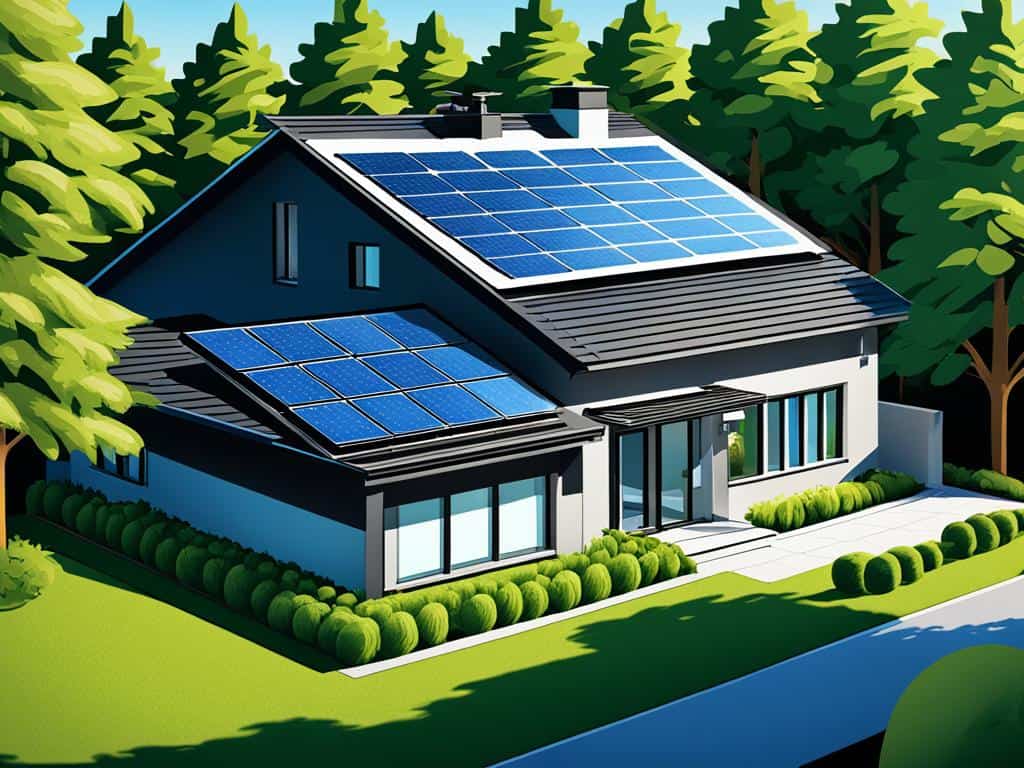
Solar Energy is Changing Homes and Businesses in India
For years, electricity bills in India have been like an extra tax nobody asked for. Every month, the numbers just keep going up.
Power cuts come without warning.
Generators burn fuel and money at the same time.
But in the last few years, something has quietly started changing. *More homes and businesses are turning to the sun. Not for sunbathing, but for electricity.*
And the change is big. From small tea shops in villages to large factories in industrial areas, solar energy is showing up everywhere.
Let’s see why and how this is happening.
Solar is no longer just for the rich
Earlier, solar panels were seen on big bungalows or corporate offices.
It was expensive and rare.
But now, prices have dropped by over 80% in the last 10 years.
- In 2010, the cost of solar power in India was around Rs17 per unit.
- Today, it can be as low as Rs2.50–Rs3.50 per unit for large projects.
- Government subsidies and schemes have made it possible for middle-class families to install panels on rooftops.
Even a small shop owner in Jaipur can now afford a small setup to run lights and fans without depending fully on the grid.
Real savings that people can feel
Many people ask, does solar really save money?
The answer is simple: Yes, and it’s not small change.
A home in Delhi paying Rs3,000 per month for electricity can cut it down to Rs300–Rs500 after installing a rooftop solar system.
A small factory in Gujarat reported saving Rs50,000 every month after switching half of its operations to solar.
These savings are not just numbers on paper.
For homes, it means more money for education, food, and healthcare.
For businesses, it means more money to invest back into growth.
*Freedom from power cuts*
In many parts of India, especially smaller towns and rural areas, power cuts are still common.
- Solar with battery backup means your fan, fridge, or machine doesn’t stop when the power goes.
- For shops, this means customers don’t walk away just because the lights went out.
- For schools, it means classes continue without disturbance.
Businesses are going solar for image + savings
Earlier, companies adopted solar only to save money. Now, there’s another reason, brand image.
Customers today prefer brands that care about the environment.
- Hotels are advertising “100% Solar Powered” stays.
- Malls are installing solar roofs to reduce their carbon footprint.
- IT companies are using solar energy to power offices and promote themselves as eco-friendly employers.
This isn’t just about looking good.
It also helps companies meet ESG (Environmental, Social, Governance) goals, which are now important for getting big investors.
The government is pushing it
The Indian government has set a target, 500 GW of renewable energy by 2030, and a big part of it is solar.
- There are subsidies for installing rooftop solar at home.
- Businesses can get tax benefits for investing in solar projects.
- Net metering lets you sell extra solar power back to the grid.
Example: A school in Kerala installed solar panels and now sells enough extra electricity to cover the cost of books for all students.
Solar in villages, more than just electricity
When solar reaches a village, the impact is huge.
- Farmers can run water pumps without waiting for grid electricity.
- Children can study at night without kerosene lamps.
- Small shops can store cold drinks and ice cream in solar-powered fridges.
In Rajasthan, some villages have started solar-powered sewing workshops where women work from home and sell clothes in nearby towns.
This would not have been possible with only 4–5 hours of grid electricity a day.
It’s creating jobs too
Solar isn’t just about saving money or the environment. It’s also about creating work.
- Solar panel installation companies are hiring technicians.
- Maintenance work is opening new career paths for electricians.
- Rural youth are being trained to operate and repair solar equipment.
The renewable energy sector in India is expected to create 10 lakh+ jobs by 2030, a big number for a growing country like ours.
Challenges, not everything is perfect
Of course, solar energy has its problems too.
- Initial setup cost is still high for some families, even with subsidies.
- Not all areas get the same amount of sunlight.
- Some people install solar but don’t maintain it properly, which reduces efficiency.
But these problems are getting smaller as technology improves. Panels are becoming more efficient.
Financing options are easier. And awareness is growing.
*Why now is the best time to switch*
The way electricity prices are rising, relying only on the grid is like taking a taxi every day instead of buying your own vehicle, it will keep costing more.
- Solar lets you lock your energy cost for the next 20–25 years.
- Government support is highest right now, subsidies may not last forever.
- Technology is cheaper and better than ever.
The bigger picture, India’s energy future
India is one of the fastest-growing solar markets in the world.
- The country has already crossed 80 GW of solar capacity.
- Large solar parks in Rajasthan, Gujarat, and Karnataka are powering millions of homes.
- Floating solar plants are being tested in Kerala and Telangana.
Every panel we install is a small step towards cleaner air, less pollution, and a future where power cuts are history.
*Switching to solar isn’t just about saving money or being “eco-friendly.”* It’s about taking control.
- For homes: it’s about lowering bills and living without power cuts.
- For businesses: it’s about cutting costs and building a positive image.
- For the country: it’s about cleaner growth and energy independence.
The sun is free, constant, and reliable.
And in India, we have more than enough of it.
The only question is, will we use it fully?